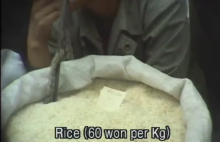
Following the food crisis of the "Arduous March", Jangmadang (local markets) sprang up across North Korea, the communist rationing system collapsed, and a market economy emerged.
However, even after the authorities declared the end of the Arduous March, international aid continued.
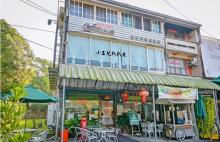
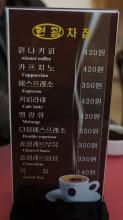
Among these aid organizations, the Swiss relief agency ADRA opened North Korea's pioneering cafe in 2005.
Subsequently, during the era of Kim Jong Un, who succeeded Kim Jong Il, cafes opened one after another in Pyongyang.