
In the early 1990s, newly coined words "orange tribe" were aimed at criticizing excessive consumption amid material prosperity — but when the 1997 foreign exchange crisis dealt a devastating blow to the Korean economy, the atmosphere of the late 1990s changed 180 degrees.
The shock of the crisis dismantled the Orange Tribe culture in the following ways:
The 1997 foreign exchange crisis was a massive event that struck all of Asia.
Beginning in Thailand in the summer of that year, it spread through Southeast Asian countries such as Malaysia and Indonesia, and hit South Korea in the autumn.
As companies collapsed in a chain reaction and foreign exchange reserves plummeted, South Korea ultimately signed a standby arrangement with the IMF on December 3, 1997, receiving $19.5 billion in emergency assistance.
Under IMF conditions, a sweeping restructuring of the national economy began.
Many companies faced bankruptcy and management crises, and the resulting mass layoffs and economic deterioration caused tremendous hardship for the entire nation.
GDP growth, which stood at 5.8% in 1997, plunged to -8.7% in the third quarter of 1998.
Throughout 1997, major conglomerates collapsed in a chain of bankruptcies: Sammi (March), Jinro (April), Daenong and Hansin (May), Kia (July), Haitai and Newcore (November), and Korea Securities and Halla (December).
Large-scale corporate restructuring and soaring unemployment dismantled the middle class and deepened social inequality.
Many citizens perceived this as "the day of national default" or "the greatest national crisis since the Korean War," and fell into despair.
The existence of the Orange Tribe depended entirely on the wealth of their parents' generation. After the crisis, major corporations went bankrupt in a chain reaction, and massive layoffs and corporate restructuring followed, sending a cold wave throughout the entire economy.
The very parents who had been handing their children lavish allowances were now themselves hit hard.
Many medium-to-large enterprises—the "cash cows" for the Orange Tribe—went bankrupt.
As their parents' businesses failed and the value of stocks and real estate plummeted, the financial means to drive luxury imported cars and shop for designer brands vanished.
As the value of the Korean Won crashed against the US Dollar, the cost of studying abroad or language training tripled.
Many members of the tribe who were overseas were forced to return home or found themselves unable to sustain their living expenses.
In the late 1990s, a flood of new slang emerged related to unemployment and restructuring — words like myeongtae (명태, meaning "forced early retirement"), jogi (조기, meaning "premature retirement"), and sajeong (사오정, meaning "retirement at 45").
In this gloomy social climate, the carefree, spendthrift culture of the Orange Tribe had no place to survive.
The culture of abundance and indulgence enjoyed by the Orange Tribe during the early-to-mid 1990s — that is, before the IMF crisis hit — effectively became a relic of a bygone era.
Banks broke free from government-directed lending and began operating independently.
Companies drastically reduced their debt ratios and shifted their focus from scale to profitability.
The influx of foreign capital and the adoption of global standards also modernized the financial markets.
Amid these circumstances, the coffee industry also saw significant developments.
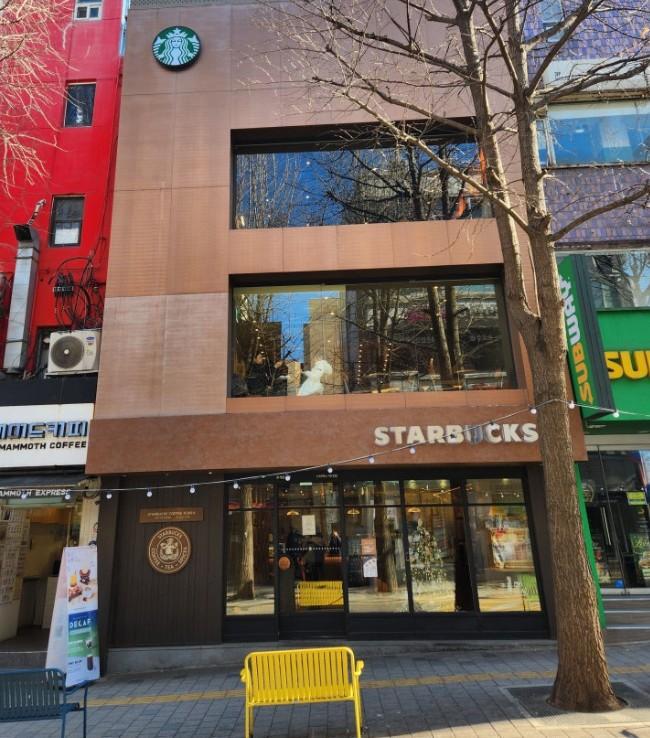
While cafes were closing one after another on Apgujeong Rodeo Street, the former base of operations for the Orange Tribe, the first Starbucks in Korea opened in July 1999 near Ewha Womans University in the Namdaemun district, another area.
Comments