
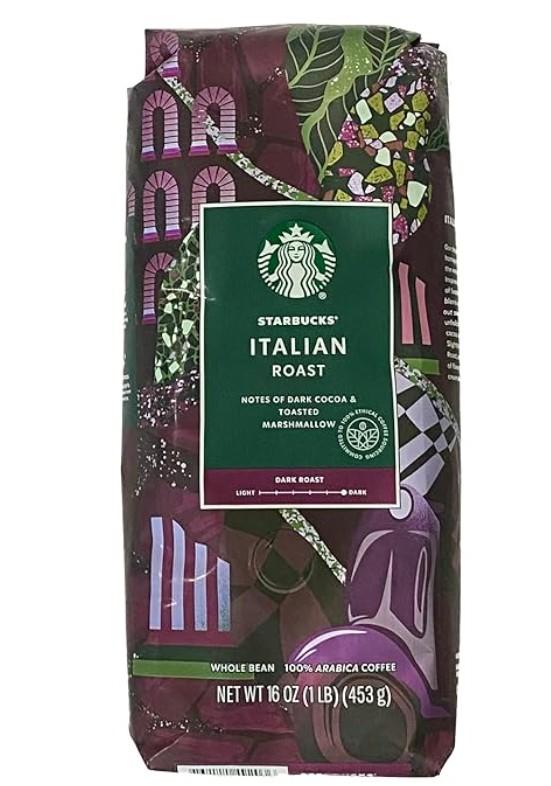
Before WWII in northern Italy, people have preferred espresso using dark roast coffee.
In the other side before 1960s in the US, people preferred light roasted coffee.
After the term when peet's coffee showed up in Carfornia, Italian Roast began to get popularity.
And then Starbucks make it gain major recognition in the US coffee market.
Darker roasting was practical in earlier times because it could mask imperfections in lower-quality beans, and the bold, intense flavor worked well with Italy's preferred preparation methods, particularly espresso. The high heat and pressure of espresso brewing actually pairs well with darker roasts.
Italians traditionally favored a strong, bold, slightly bitter coffee flavor. The dark roast delivers oils to the bean surface and creates that characteristic bittersweet taste many associate with Italian café culture.
Italian roast is usually among the darkest commonly sold roasts, often even darker than French roast and similar to what some places call Spanish roast. This very dark level emphasizes roasted, smoky, and slightly bitter flavors while greatly reducing acidity, which many people associate with “classic Italian” espresso taste.
In the US and other countries, coffee roasters adopted "Italian Roast" as a term to indicate a very dark roast level - typically roasted until the beans are quite oily and have a deep brown to almost black color. It became shorthand for "dark like they drink it in Italy."
It was part of the broader naming convention (along with "French Roast," "Viennese Roast," etc.) that referenced European coffee traditions. What Peet's and especially Starbucks did was take these relatively niche terms and make them mainstream marketing language in America.
Peet's Coffee(founded 1966) was crucial in introducing Americans to darker European-style roasts. Peet, who was Dutch and had experience with European coffee traditions, brought a much darker roasting style to Berkeley, California at a time when most American coffee was light and weak. Peet's did use terms like "French Roast" and likely "Italian Roast" to describe their darker offerings.
In the US, this era often called the "Counterculture Era" marked by civil rights movements, anti-Vietnam War protests, sexual revolution, and youth rebellion against traditional values.
Starbucks (founded 1971) was directly inspired by Peet's - the founders were Peet's customers, and Peet actually supplied their beans initially and taught them his roasting techniques. Starbucks then took that dark-roast aesthetic and scaled it nationally starting in the 1980s-90s, making terms like "Italian Roast" household names.
コメント