
How was coffee roasting carried out during the Belle Époque in Europe, which supported Japan's early coffee shop culture?
Before 1920, there were almost no "specialized coffee roasters" like we have today in Japan.
At the time, it was common for coffee shops to roast their own beans (in-house roasting) or for import food stores and tea merchants to roast them in-store.
Hokodo (established coffee shop in 1878): A tea merchant in Kobe, they imported coffee beans from India, roasted them in-store, and served them. Records indicate that, since there were no electric mills at the time, they ground them with a stone mill.
Kaho Tea House (established in 1888): A coffee shop in Ueno, Tokyo, this shop also purchased a variety of raw beans and roasted and brewed them in-house.
Tokyo
In the Ginza area before 1920 (mainly from the late Meiji period to the early Taisho period), roasting was the responsibility of coffee shops themselves or trading companies and stores that also handled imports and retail.
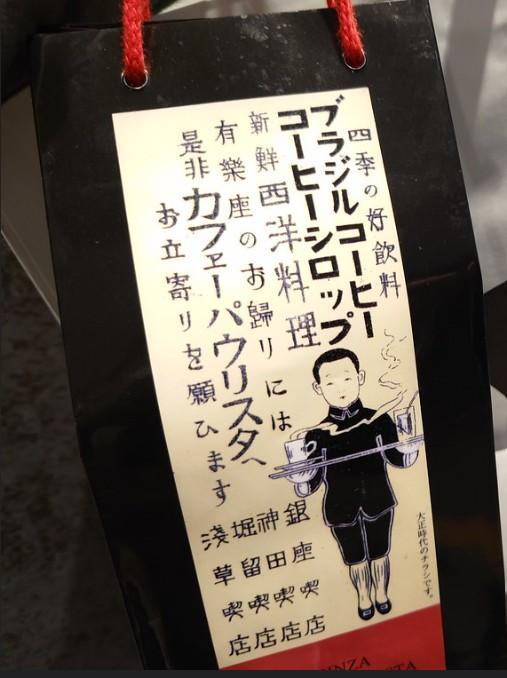
Cafe Paulista (opened in 1911 in Ginza 6-chome)
This is one of Japan's oldest coffee shops, importing Brazilian coffee beans and directly managing the roasting, sales, and coffee shop. Founded with the aim of supporting Brazilian immigrants and promoting coffee, it handled roasting in-house.
Kimura Shoten (predecessor to Key Coffee)
Founded by Bunji Shibata, the Yokohama flagship store influenced coffee shops in the Ginza area (e.g., those related to the future Ginza Tricolore) by supplying beans and sharing and supplying roasting techniques.
Other Importers and General Goods Stores
Early Ginza cafes (such as Café Printemps and Café Lion) typically purchased raw beans from nearby Western-style tableware stores and imported goods merchants and roasted them in-house.
At the time, Ginza was rapidly developing as a "cafe district" where intellectuals gathered. Roasting was dominated by "imports + in-house/small-scale wholesale" methods, with no large-scale nationwide suppliers yet.
Cafe Paulista used beans provided free of charge by the Brazilian government to establish a roasting and wholesale business, and after the Great Kanto Earthquake of 1923, it fully shifted to roasting (later becoming Nitto Coffee).
Overall, the rise of professional roasters came after the end of the Taisho era, and Ginza served as a sort of experimental ground for integrating roasting and coffee shops.
Osaka
In contrast, prior to 1920 in the Honmachi area of Osaka (including the Kawaramachi and Honmachi areas), roasting was primarily the responsibility of in-house roasters or small specialty shops just before or after coffee shops opened. This was mainly the case in the early Taisho era, while coffee culture was still weak during the Meiji era, when importers dominated.
Marufuku Coffee (Established in 1919, Tanimachi 9-chome)
In an office district near Honmachi, the first owner, Fukuzo, opened a specialty coffee bean roasting shop. Still adhering to roasting methods from the Taisho era, the shop supplied beans to coffee shops and individuals on the west side of Daimaru on Midosuji.
Hiraoka Coffee (Established in 1921, Kita-Senba → Kawaramachi 3-chome)
Founder Chujiro Ogawa originally worked for a soy sauce brewery in Chiba. He foresaw the future of coffee and learned the know-how at Cafe Paulista in Ginza. He brought back donut-making techniques and coffee, and opened a shop in Osaka.
Roasting Characteristics (Boiling Method): From the beginning, the shop has roasted coffee in-house. Particularly famous is the "boiling method," a brewing method in which roasted beans are boiled in a pot and strained through a cloth. This was a common method at the time, and Hiraoka Coffee is said to be the only shop in Japan that has continued to maintain this style to this day. Located near Honmachi Station, it sold dark roasted beans and was popular with businessmen in the Kita-Senba area.
Other Importers and Coffee Shops
Hommachi Western-style pastry shop "Zeroku" (established in 1913, Honmachi 1-chome) also offered coffee roasting services. It was common for nearby coffee shops to purchase raw beans from importers and roast them in-house.
コメント