
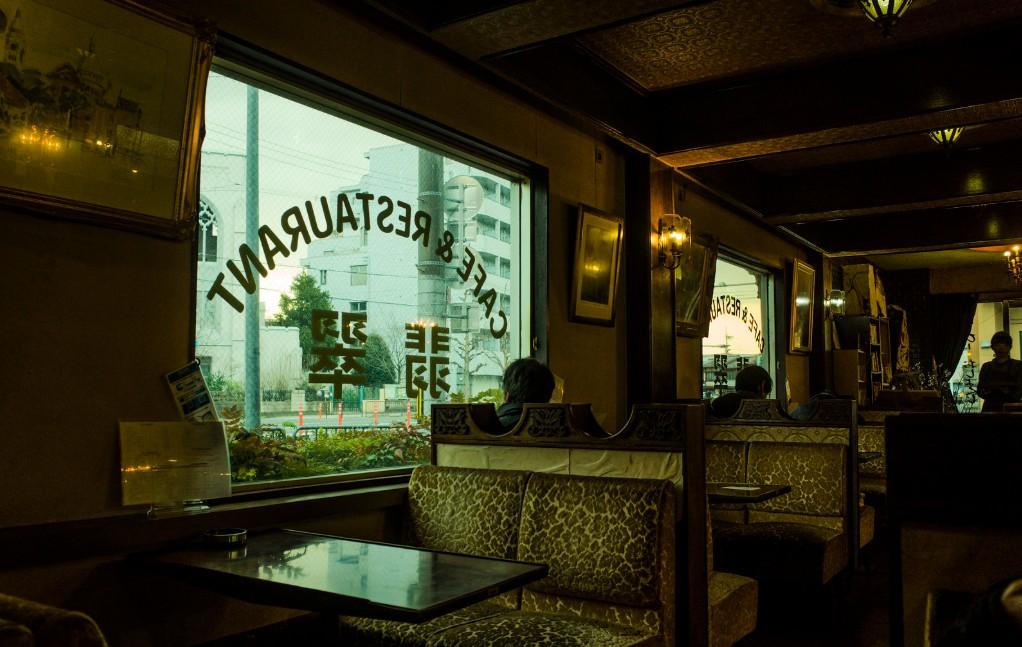
People in Japan began drinking coffee after the late 1800s.
Until then, the custom of drinking tea was common, but not coffee.
Japanese coffee shop culture is a "lifestyle culture of enjoying tea and coffee" that developed uniquely in Japan, blending the spirit of the tea ceremony with Western cafe culture.
In 1888, "Kaho Tea House" opened in Ueno, Tokyo, marking Japan's first authentic coffee shop.
Around 1910-1920, salon-like establishments where intellectuals and artists gathered, such as "Café Printemps" in Ginza, appeared, and "coffees" became a central part of urban culture.
In the 1920s and 1930s, coffee shops split into "coffee shops with alcohol and female waitresses" and "ordinary coffee shops/pure coffee shops" that focused on beverages, with the latter becoming the origin of modern coffee shops.
After World War II, the number of casual coffee shops increased, and they became used for meetings, business negotiations, and student study.
After World War II, the number of casual coffee shops increased, and they became used for meetings, business negotiations, and student study.
Around 1960, the pure coffee shop boom began, with unique menu items like hand-drip and siphon-brewed coffee, breakfast service, and Neapolitan pasta becoming established.
Influenced by the tea ceremony, coffee shops are characterized by a meticulous approach to brewing each cup and a focus on quiet, relaxed dining.
With owners focusing on brewing methods like hand-drip, cloth filter, and siphon, they are said to have been one of the first coffee shops in the world to "compete on the taste of their coffee."
They offer full service, with drinks and snacks delivered to your table, and a relaxed atmosphere (lighting, music, magazines, and interior design) designed for long stays is emphasized.
In addition to coffee, classic "coffee shop" menu items like cream soda, mixed juice, toast, and Neapolitan pasta have become firmly rooted in the coffee shop culture.
Connections with Society and Culture
From the 1880s to the 1920s, coffee shops served as salons where intellectuals and artists gathered to discuss literature, art, and philosophy.
After World War II, these places also served as forums for student and social movements, and their "spaces where people could sit and talk for long periods of time" became an infrastructure for cultural and political debate.
Today, they are being re-evaluated as community hubs where local regulars gather, and as places to experience *Showa retro*.
*Showa retro: A Japanese word that describes a nostalgic style and atmosphere inspired by everyday life in Japan's Showa period (1926-1989), particularly the post-war 1950s to 1970s.
They have a warm, slightly worn, and human atmosphere. They prioritize comfort over sophistication, and are a pleasant reminder of an era before everything was digital.
コメント