
After Howard Schultz became CEO of Starbucks, espresso was not sold as a niche Italian drink. Instead, it was reframed for the American mass market.
He clearly recognized that straight Italian-style espresso was too intense and unfamiliar for most American coffee drinkers of the late 1980s and 1990s, and he adjusted Starbucks’ concept accordingly.
Schultz saw in Milan that Italians happily drank small, strong espressos at bars, while most Americans were used to large cups of relatively weak, “bland” coffee.
He understood that simply copying the Italian model would require a major shift in American taste and habit, so he framed his idea as adapting the espresso experience rather than just importing straight espresso as-is.
His action was to adapt the concept.
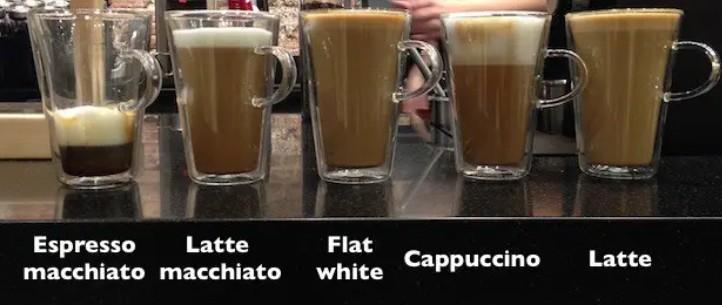
Starbucks popularized milk-based espresso drinks like lattes and cappuccinos, which softened the bitterness of espresso and made it more approachable.
The company also introduced larger serving sizes, comfortable seating, and a "third place" atmosphere between home and work—all departures from the traditional Italian model.
- So Starbucks led with Lattes, Cappuccinos, Mocha drinks.
- Espresso became an ingredient, not the star.
Milk, foam, and sweetness softened the experience. - While Italian espresso culture is rigid, Starbucks did the opposite.
- Drink size choices (Tall / Grande / Venti)
- Syrups (vanilla, caramel, hazelnut)
- Nonfat milk, soy milk, later oat milk
- Extra shots, fewer shots
Espresso became personalized, not prescriptive.
コメント